
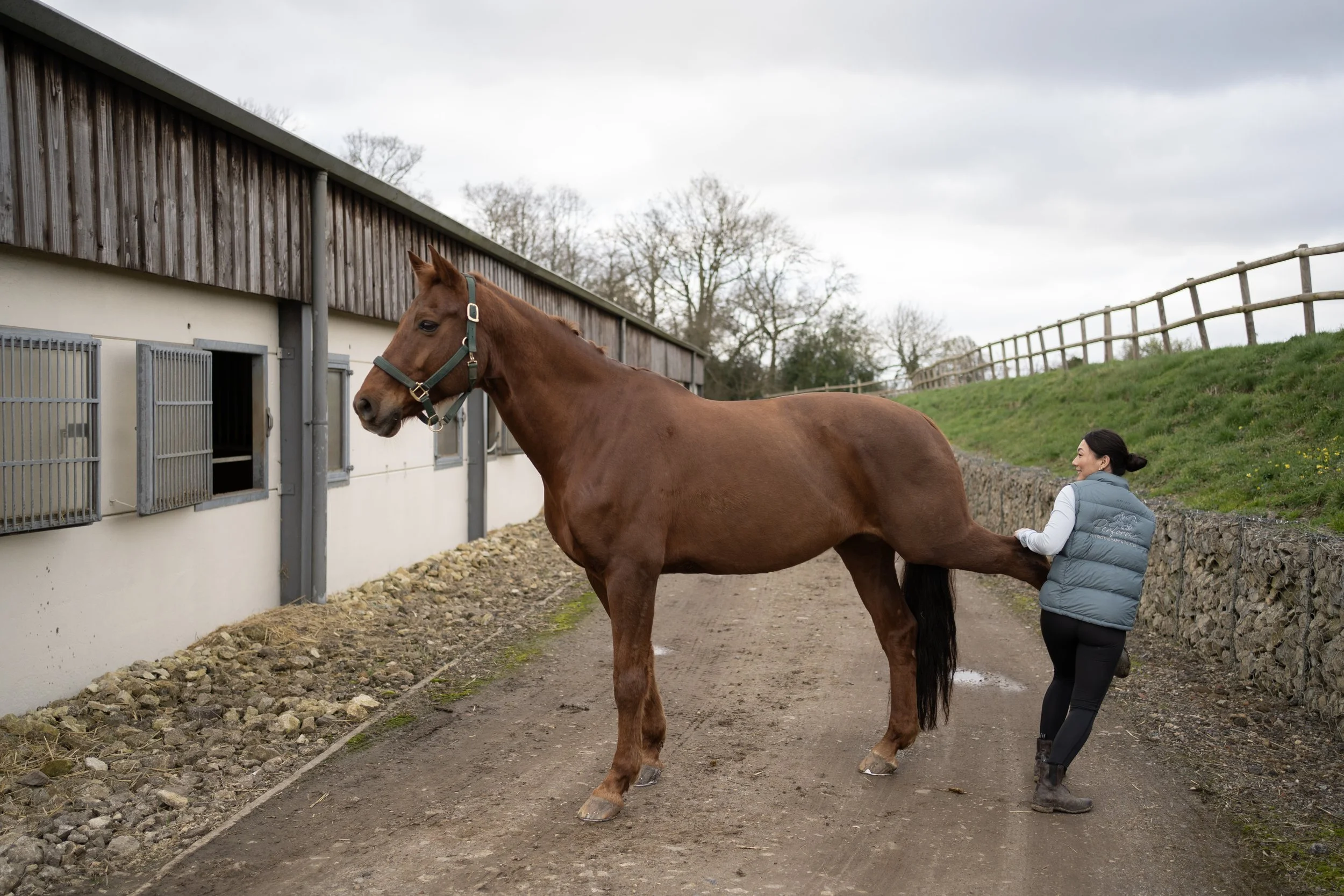
Veterinary Physiotherapy
From competition horses to everyday partners - we believe all horses should have access to the same resources that elite human athletes do.
Supporting your horse with specialist physiotherapy services
From stabling and travel, to training and competition, modern demands mean horses require additional support to perform at their best. We believe physiotherapy should be accessible to every horse—regardless of level or discipline—to optimise performance, prevent injury, and enhance comfort and quality of life. We travel to Warwickshire, Oxfordshire, Northamptonshire & Gloucestershire.
Our approach to supporting your horse
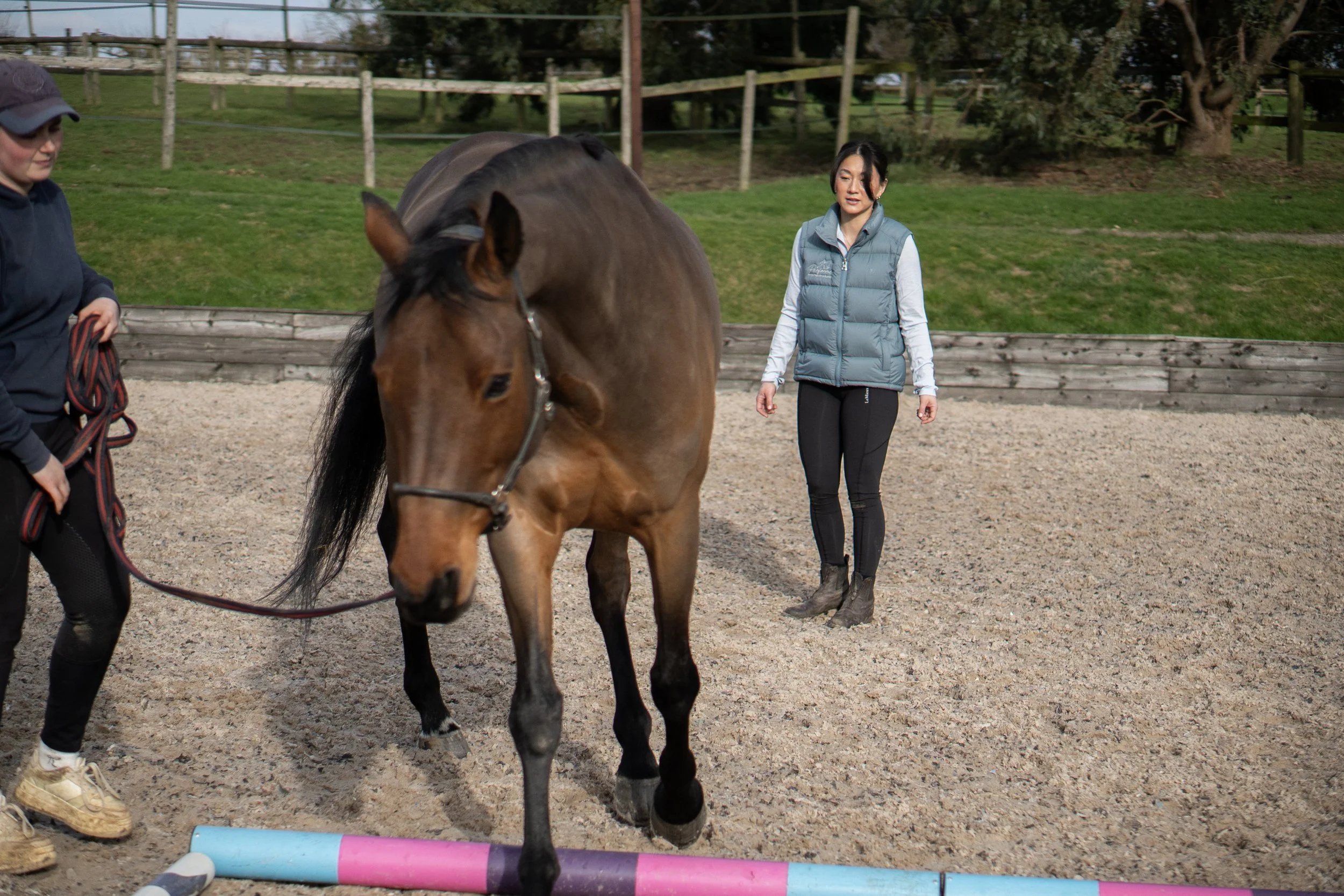
Poor Performance
Addressing musculoskeletal issues that limit your horse’s movement and comfort. Each session begins with a detailed history and discussion of your horse’s condition and your goals, followed by a thorough assessment to identify movement issues, range of motion restrictions, muscle imbalances, and soft tissue or bony changes. This informs a tailored management plan, combining manual therapy to reduce pain and restore function with targeted active therapies to consolidate improvements.
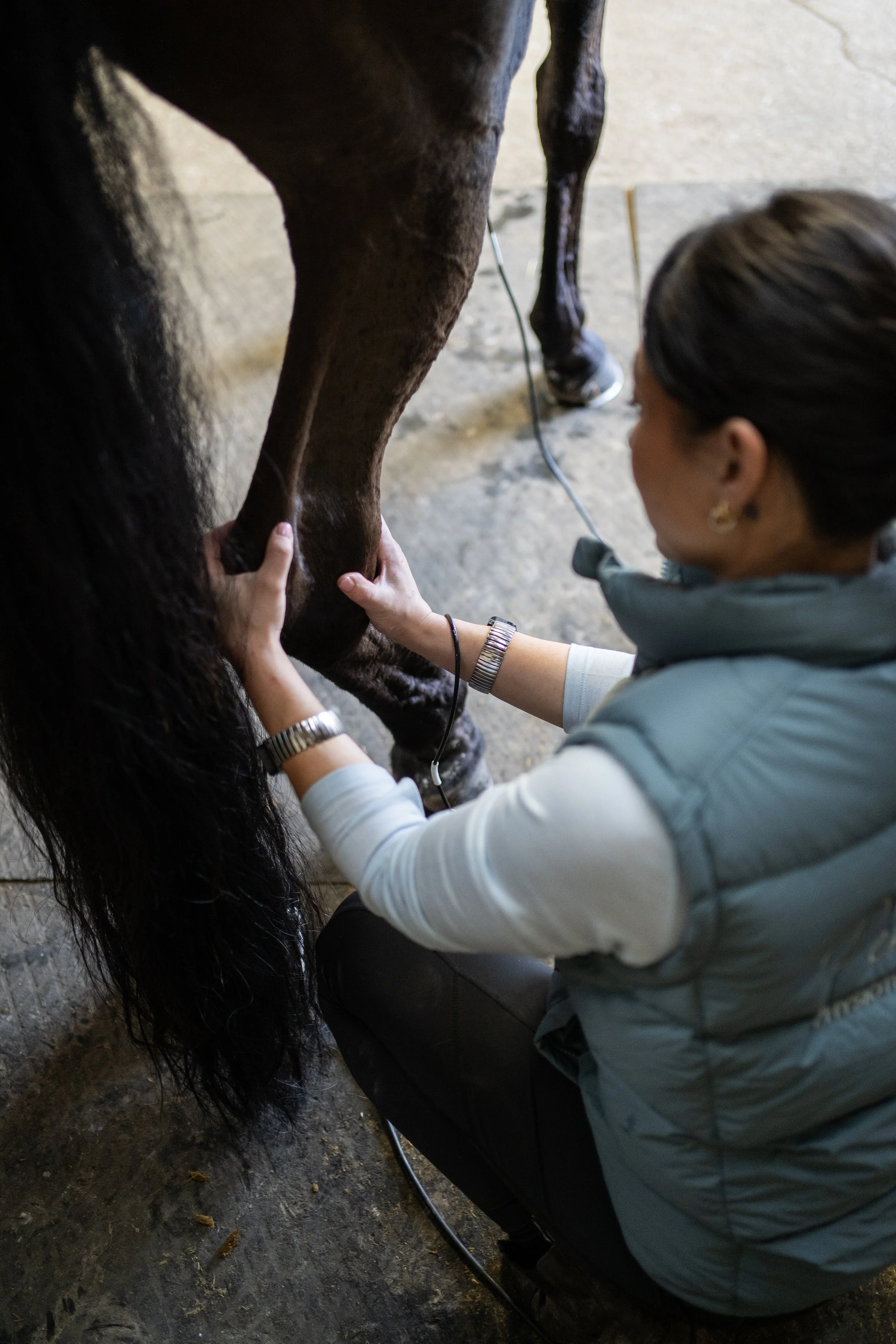
Injury Rehabilitation
Helping you to create bespoke rehabilitation plans to the highest standards to guide your horse safely back to full function by addressing pathology, compensatory movements and reloading strategies. We collaborate closely with vets, farriers, saddle fitters, dentists, and other professionals to provide a multi-disciplinary approach.
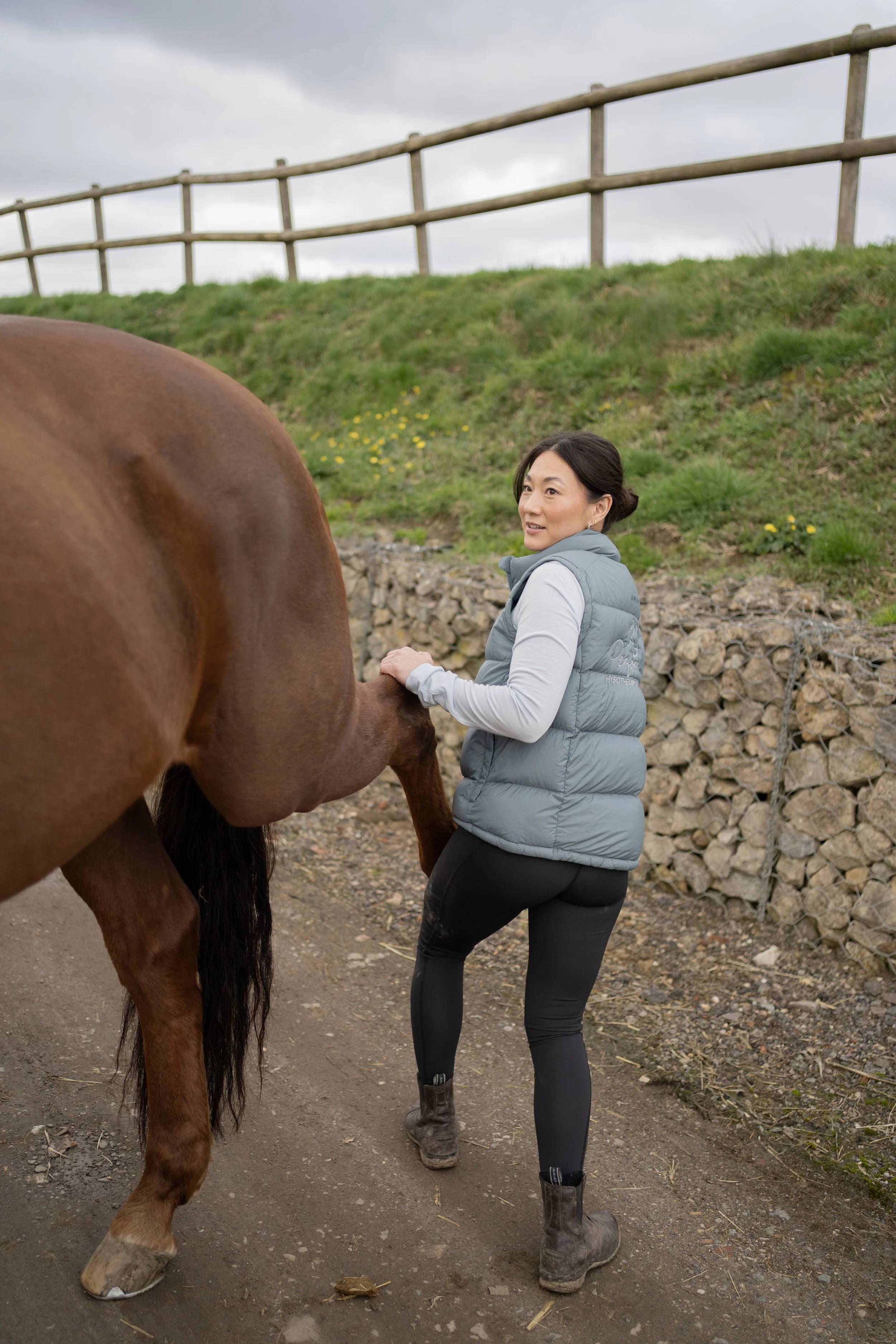
Performance Enhancement
Helping your horse to reach their full potential using targeted manual therapy and exercise support to optimise mobility, biomechanics, strength and recovery. Our expertise spans all disciplines, from elite racehorses and eventers to leisure horses.
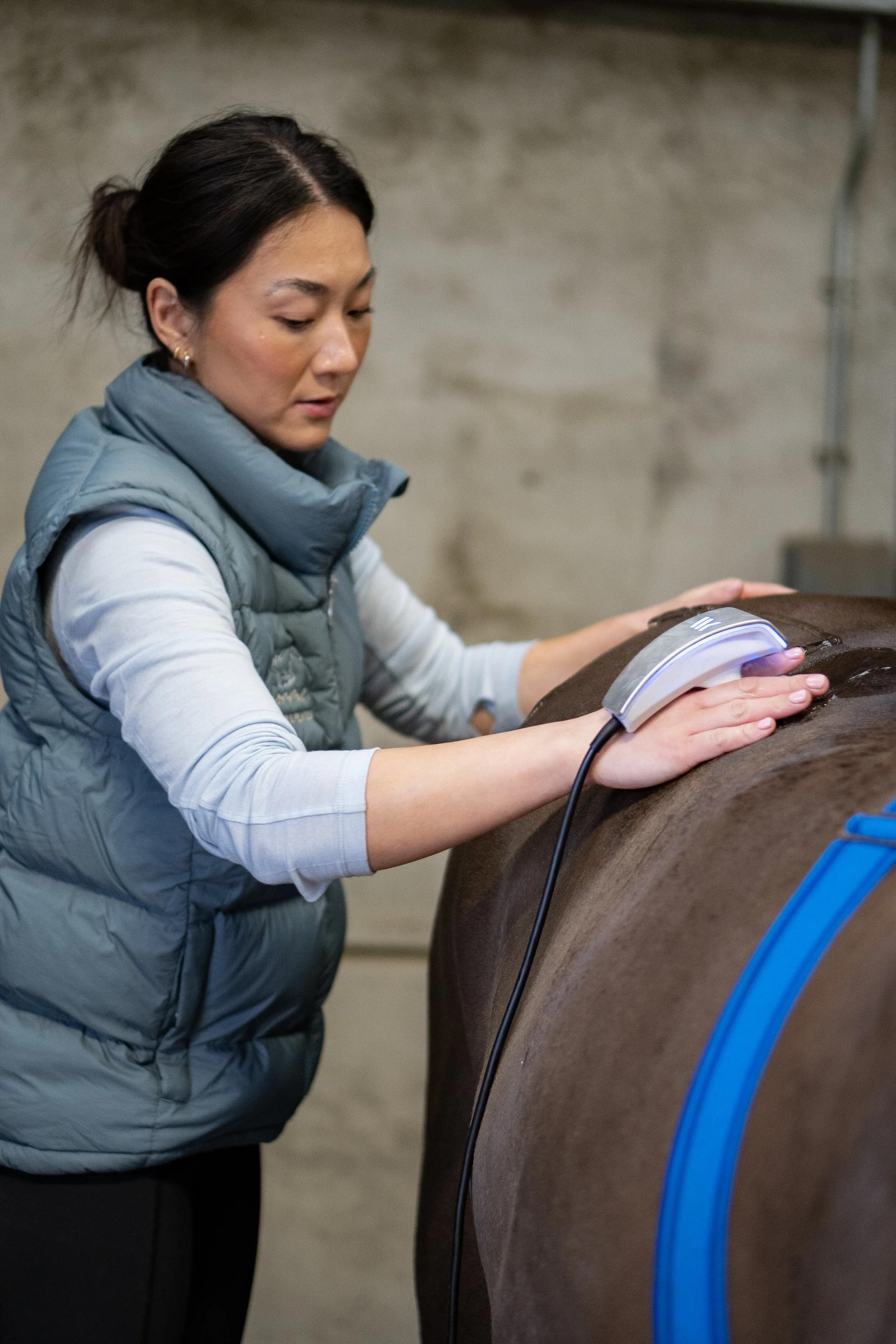
Winback Tecartherapy
TECAR stands for Transfer of Energy Capacitative and Resistive. It utilizes radiofrequency energy to penetrate biological tissue, which stimulates cells involved in inflammation and healing, aiding and accelerating the body's natural recovery process.
What is it used for?
Pain relief: significant analgesic effect as a result of diathermy, TENS and cellular stimulation
Swelling and inflammation management: has a diathermic effect (heat) that stimulates lymphatic and blood circulation to accelerate the drainage of oedema which eliminates inflammatory molecules (Szabo et al, 2022)
Improved range of motion: by increasing collagen tissue extensibility and remodelling
Tissue healing: promotes proliferation of fibroblasts and remodelling of extracellular matrix
Muscle activation: utilizes EMS which uses electrical impulses to stimulate muscle recruitment
Sleip Gait Analysis
What is Sleip?
Sleip Gait Analysis is a scientifically-validated tool that uses AI to detect subtle asymmetries (with 2mm precision) in your horse’s movement
Why gait analysis?
Objective gait data adds a new layer of insight to physical assessments. It helps track progress over time, identify recurring movement issues, and adapt treatment accordingly.
Early detection of issues by identifying subtle changes in gait before they become more serious
Monitoring progress during rehabilitation after an injury
Performance optimisation to ensure your horse is moving efficiently and comfortably
Review differences in gait pre and post shoeing/trimming
Ensuring a collaborative team approach between vet, rider, owner, farrier etc.
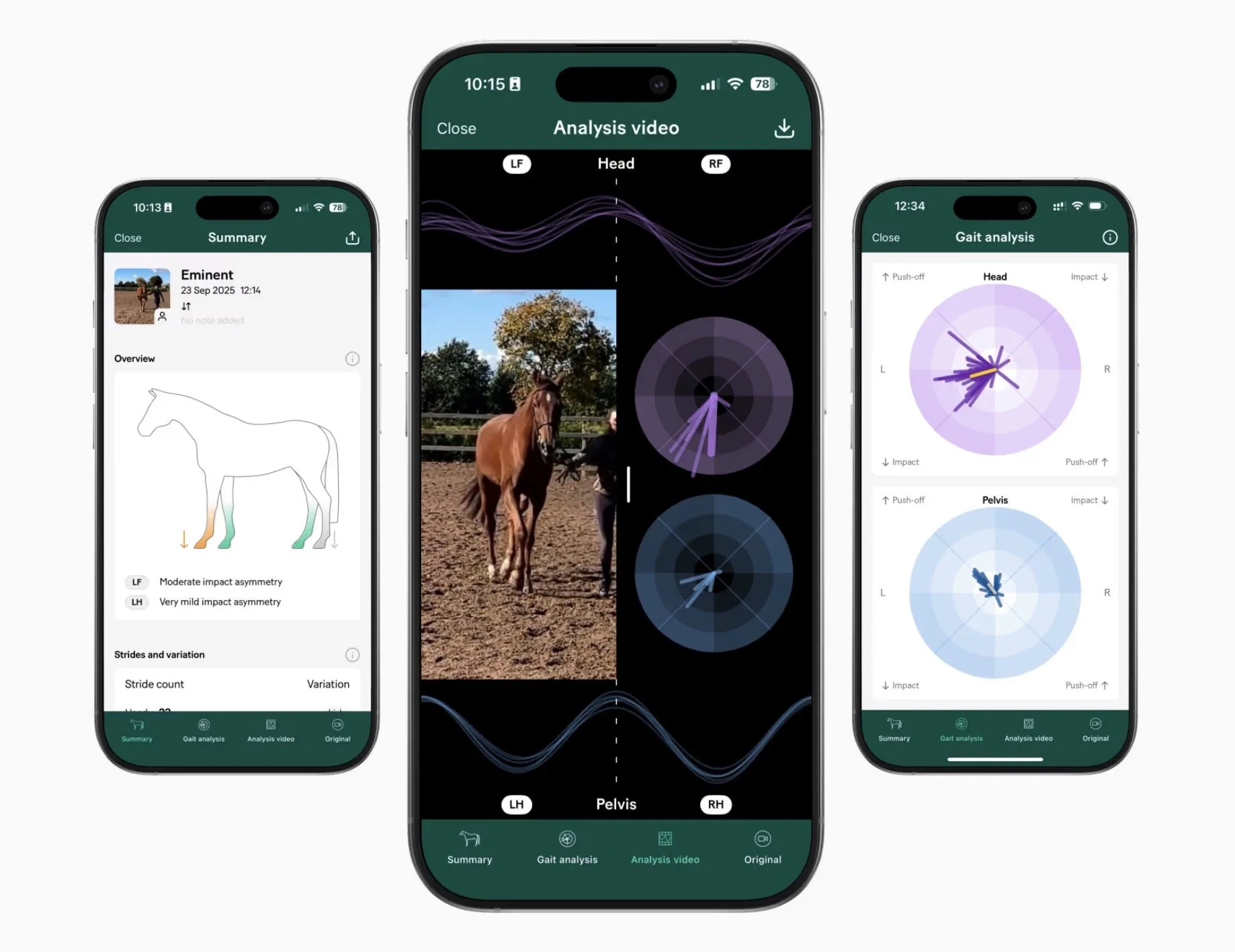
How it works
Sleip measures asymmetries in the vertical displacement of the horse’s head, trunk, and pelvis at trot. These movements are closely linked to limb motion and are recognised indicators of weight-bearing lameness. When differences appear between the left and right sides, they may show that the horse is unloading a painful limb.
Your horse will be recorded trotting away from and towards the camera for a minimum of 20 strides in each direction, both in a straight line and in a circle. The Sleip software then measures variations in head, trunk and pelvis movement from the video and analyses this data to give quantitative information on each of the four limbs, at both the impact and push-off phases of the stride.
Proud Sponsors of
-
![Logo of the Health & Care Professionals Council (HCPC) with the acronym 'hcpc' in blue and full name in smaller font around it.]()
Monet Goode
-
![Logo of the Acupuncture Association of Chartered Physiotherapists, featuring a shield emblem and the organization's name in blue text.]()
Emmett Marsh
-
![Logo of A CAPAI featuring a stylized plant with a circular element and five dots, with the text "A CAPAI" underneath.]()
Eleanor Parks

Book a Session
Physiotherapy can help with a number of issues
-
Osteoarthritis is a degenerative joint disease characterised by progressive articular cartilage erosion, bone remodelling, joint inflammation, osteophyte formation, and reduced joint range of motion. It commonly affects joints such as the hocks, where repetitive biomechanical loading accelerates cartilage wear and can compromise normal limb function.
Secondary changes often develop in surrounding musculature, tendons, and ligaments due to altered joint mechanics and compensatory movement patterns. Physiotherapy aims to maintain joint mobility, optimise muscle recruitment, and modulate pain, while structured exercise programs support synovial fluid circulation and functional loading to slow degeneration. Early and ongoing intervention can reduce the impact of OA, restore efficient movement patterns, and improve both performance and long-term comfort.
-
Back pain may arise from muscular dysfunction, facet joint irritation, or overriding dorsal spinous processes (kissing spines). These conditions are commonly associated with local inflammation, muscle spasm, reduced intervertebral mobility, and altered neuromuscular control.
Our approach targets both the local pathology and the wider biomechanical consequences. Treatment focuses on improving the health and mobility of tissues surrounding the affected spinous processes, while restoring appropriate recruitment of the deep abdominal and core musculature responsible for dynamic spinal support.
Back pain frequently results in compensatory movement patterns affecting the forelimbs, hindlimbs, and pelvic girdle. We therefore assess and treat the entire kinetic chain, addressing secondary dysfunctions and facilitating the return of normal, efficient movement patterns to maximise overall function.
-
Injuries to the superficial and deep digital flexor tendons (SDFT/DDFT) and suspensory ligament are common in performance horses due to the high mechanical loads placed on the distal limb. Pathology typically involves fibre disruption, haematoma formation, inflammation, and subsequent remodelling, with a significant risk of re-injury if rehabilitation is not carefully managed.
Successful management depends on structured, progressive loading to promote optimal collagen alignment and tensile strength during healing. Our aim is to support high-quality tissue repair while minimising adhesions and reducing the likelihood of recurrence.
Treatment may incorporate Winback tecartherapy to enhance circulation, support cellular activity, and modulate inflammation within the affected tissues. Rehabilitation programmes are individually tailored and closely staged, combining controlled exercise progression with manual therapy and biomechanical assessment to restore limb strength, symmetry, and functional performance.
-
The sacroiliac joints are formed where the left and right halves of the pelvis articulate with the triangular-shaped sacrum. This region is a critical force transmission point, transferring load generated by the hindlimbs through the pelvis and into the axial skeleton to allow forward propulsion, collection, and jumping efforts.
Due to the presence of a joint on both sides of the pelvis, the sacroiliac region is particularly susceptible to asymmetrical loading. Horses rarely generate perfectly equal force through each hindlimb, and repetitive uneven stress can result in ligamentous strain, joint irritation, inflammation, and altered force transfer. Over time, this may lead to reduced impulsion, poor hindlimb engagement, strength deficits, and compensatory movement patterns. If unaddressed, sacroiliac dysfunction can become chronically painful and contribute to instability within the pelvic girdle.
In collaboration with your vet, physiotherapy aims to influence both pain and biomechanical function within this region. Through a comprehensive assessment of pelvic symmetry, neuromuscular control, and load transfer, we apply a wide range of evidence-based techniques to address inflammation, improve stability, restore muscular balance, and promote more symmetrical, efficient movement patterns.
-
Soft tissue injuries are common throughout a horse’s athletic career, ranging from mild muscular strain to partial or complete fibre disruption. These injuries involve inflammation, oedema, pain, and altered neuromuscular recruitment. The physiological principles of tissue healing closely mirror those in human medicine, and rehabilitation follows the same evidence-based loading and repair strategies.
Our aim is to promote high-quality tissue repair and efficient healing, ensuring optimal collagen organisation and a safe return to previous levels of function and performance.
Treatment may include Winback Tecartherapy to support circulation and modulate inflammation, and influence collagen alignment in associated tendinous structures. Rehabilitation is carefully progressed according to healing stage, incorporating manual therapy, stretching, and targeted exercise with load management strategies to restore strength, symmetry, and full functional capacity across the wider kinetic chain.
Pricing
Equine Physiotherapy
£100 - 90mins
*travel 55p per mile from base
Winback Tecartherapy Package
£480 Block of 6 session
Insurance
We are happy to work alongside insurance companies to support your horse’s treatment and rehabilitation.
A veterinary referral is required prior to commencing physiotherapy, in line with professional regulations.
Please note that all treatment fees must be settled by the client at the time of the appointment, with claims submitted directly to your insurer for reimbursement in accordance with your individual policy terms.
Get in Touch
Support your horse’s comfort, strength, and performance
Get in touch to start a personalised physiotherapy plan